Raspberry Pi Serial Port Uart Wiki
Contents • • • • • • • • • • • • • • • • • • • • • • • • • • • • • • • • • • • • • • • • • • • • • • • • • • • • • • • • • • • • • • • • • • • • • • • • • • Hardware & Peripherals: - detailed information about the Raspberry Pi boards. - guide to the Raspberry Pi models. - using the GPIO and other connectors. - GPIO plug-in boards providing additional functionality. - attaching a screen to the Raspberry Pi.

- lots of nice cases to protect the Raspberry Pi. Other Peripherals - all sorts of peripherals used with the Raspberry Pi.
A note about this page: For USB devices, please specify if they required a powered hub Notes 19-Apr-2012: Now that the Model B board is shipping, details added should relate to this board and the unless stated otherwise. A suggested suffix markup scheme is as follows: • (A) - Relates to model A production board • (B) - Relates to model B production board • (!) - Information from alpha and beta board days -- beta board verified peripherals should still apply to production boards for the most part, but the alpha board is fairly different • No markup - relates to all production boards Discuss: If you are adding to a product list it would help clarity if entries are kept/added in alphabetical order. Power Usage Notes Warning: Adding peripherals may increase the loading on the power supply to your board and this, in turn, may affect the voltage presented to the Raspberry Pi. If the Raspberry Pi's supply voltage falls below a certain value (anecdotally stated as around 4.75 V), or it begins to fluctuate, your setup may become unstable. There is a which is worth a read. Model B Hardware Revisions and USB Power limits Hardware Revision 1.0 The original Model B board had current limiting polyfuses which limited the power output of each USB port to approximately 100 mA. USB devices using more than 100 mA had to be connected via a powered hub.
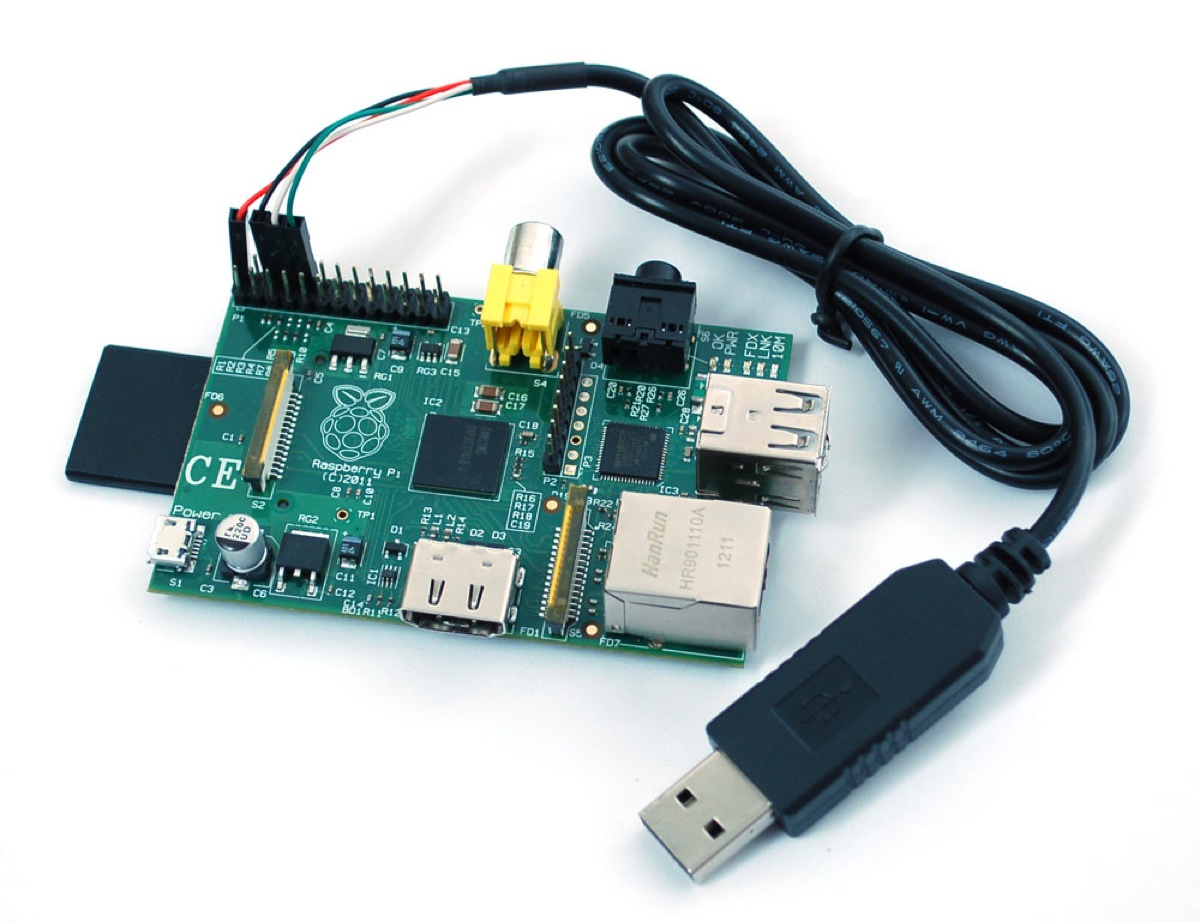
The built in serial port that we want to use to communicate with the mote is by default used by the console, thus we have to disable this. To make things more complicated, the available UART has changed for the Raspberry Pi 3: The added Bluetooth module has 'stolen' the high performance hardware serial port from the. Serial Port on Raspberry Pi. The Raspberry Pi Serial Port. The Raspberry Pi™ serial port provides low speed +3.3V. The serial port UART connects to two.
The Raspberry Pi's PSU was chosen with a power budget of 700 mA of which 200 mA were assigned to the USB ports, so the Raspberry Pi's (poly)fuses were designed only for devices up to 100 mA, and typical 140 mA polyfuses will have as much as 0.6 volt across them when drawing currents near the 100 mA limit. As a consequence the USB ports are only directly suitable for 'single current unit' USB devices which, according to USB specifications, are designed to work with just 4.4 Volt. Surviving High School Game Free Download here.